Dědu z Anglie – tedy otce mého tchána – jsem poznala zhruba před deseti lety, když k nám přijel na dovolenou. Byl to typický anglický gentleman, který by bez dokonale oholené tváře nevyšel ani před dům. Velkou část života prožil v Itálii. Po odchodu své manželky, tedy matky mého tchána, se odstěhoval zpět do rodné země a k nám už potom jezdil jen na dovolenou. Vždycky trval na tom, že chce chodit po restauracích, pít červené víno a vůbec si tak užívat la dolce vita. Hned první den své návštěvy nás zaúkoloval: museli jsme koupit toustovač a pomerančovou marmeládu. Byl to muž zvyku, takže k snídani nejedl nic jiného než…
-
-
Hemingwayovo údolí
Když Ernest Hemingway v roce 1945 projížděl údolím Val Trebbia (pojmenovaným podle řeky Trebbia), údajně pronesl větu: „Dnes jsem projížděl nejkrásnějším údolím na světě.“ O tom, jestli to skutečně řekl, neexistují žádné dochované záznamy. Přesto se tomuto kraji dodnes přezdívá „Hemingwayovo údolí“. A já s tímto výrokem nemohu než souhlasit. Val Trebbia spojuje Janov a Piacenzu. Cesta je poměrně zdlouhavá, protože vede nekonečnými serpentýnami. A během hezkého počasí, zvlášť o víkendech, se promění v motorkářskou trať. Co se motorkářům na zatáčkách tolik líbí, netuším. Ale to bude nejspíš tím, že jsem téhle vášni nikdy nepropadla . Na tomto údolí mě nejvíc fascinuje jeho klid. Celá krajina je nádherná a zároveň…
-
Hra s divočáky
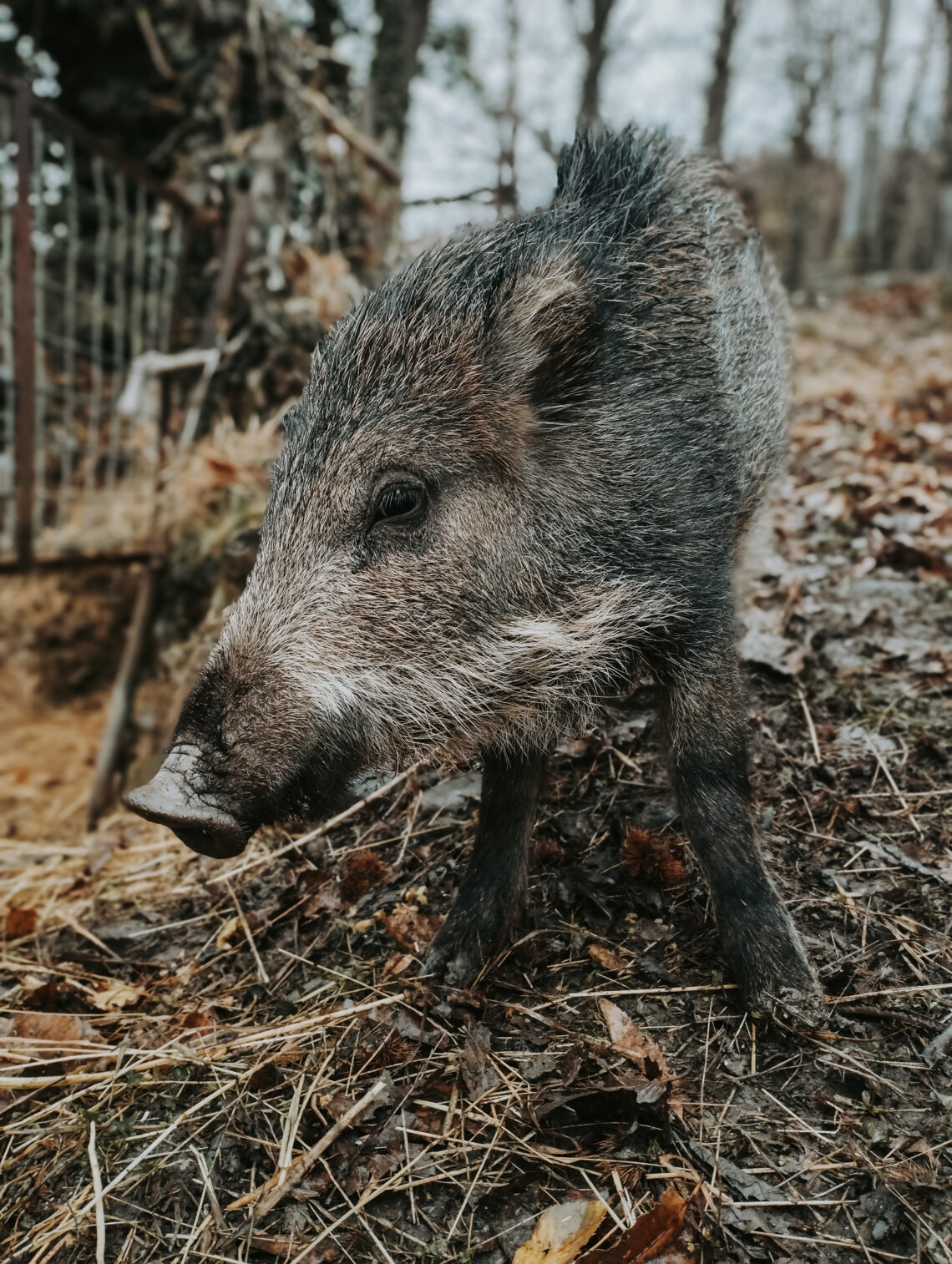
Každý rok, ve chvíli, kdy mi začne růst zelenina na zahradě, začíná hra s divočáky. Spočívá v tom, že se divočáci snaží dostat na mou zahradu, aby nakousali zeleninu a rozryli záhony. Každou díru v plotě pečlivě zadělám a postavím záterasu z kamenů, jen abych druhý den našla díru někde úplně jinde. Takhle pokračujeme celé léto. Divočáci u nás dělají pravidelné okruhy podle toho, kde zrovna co roste. Jakmile popadají jedlé kaštany, vídáme je každý den. Když je všechny vyžerou, přesunou se jinam, aby se zhruba za půl roku vrátili – právě ve chvíli, kdy dozrává první ovoce a lidé začínají sázet zeleninu. Několik let po sobě pod jednou mojí…
-
Nevšednosti
Psala jsem, že se mi líbí, když natrefím na různé bizarnosti a odchylky. To se ale nevztahuje jen na zajímavě vypadající lidi nebo neformální způsoby obživy. Patří mezi ně i různé psychické nevšednosti. Nelíbí se mi slovo „porucha“ – nejsme stroje. Nikdo z nás není porouchaný jen proto, že věci vnímá nebo prožívá jinak. Myslím si, že „normálnost“ je jen sociální maska, protože každý z nás u sebe vnímá různé odlišnosti od ostatních, jen o nich většinou nemluví a nedává je na odiv. Takže tomu říkám nevšednosti. Tedy věci, se kterými se nesetkáváme úplně běžně. Až doteď můj největší zájem vzbuzoval Tourettův syndrom. A samozřejmě ani ne tak tiky jako…
-
Jezírka
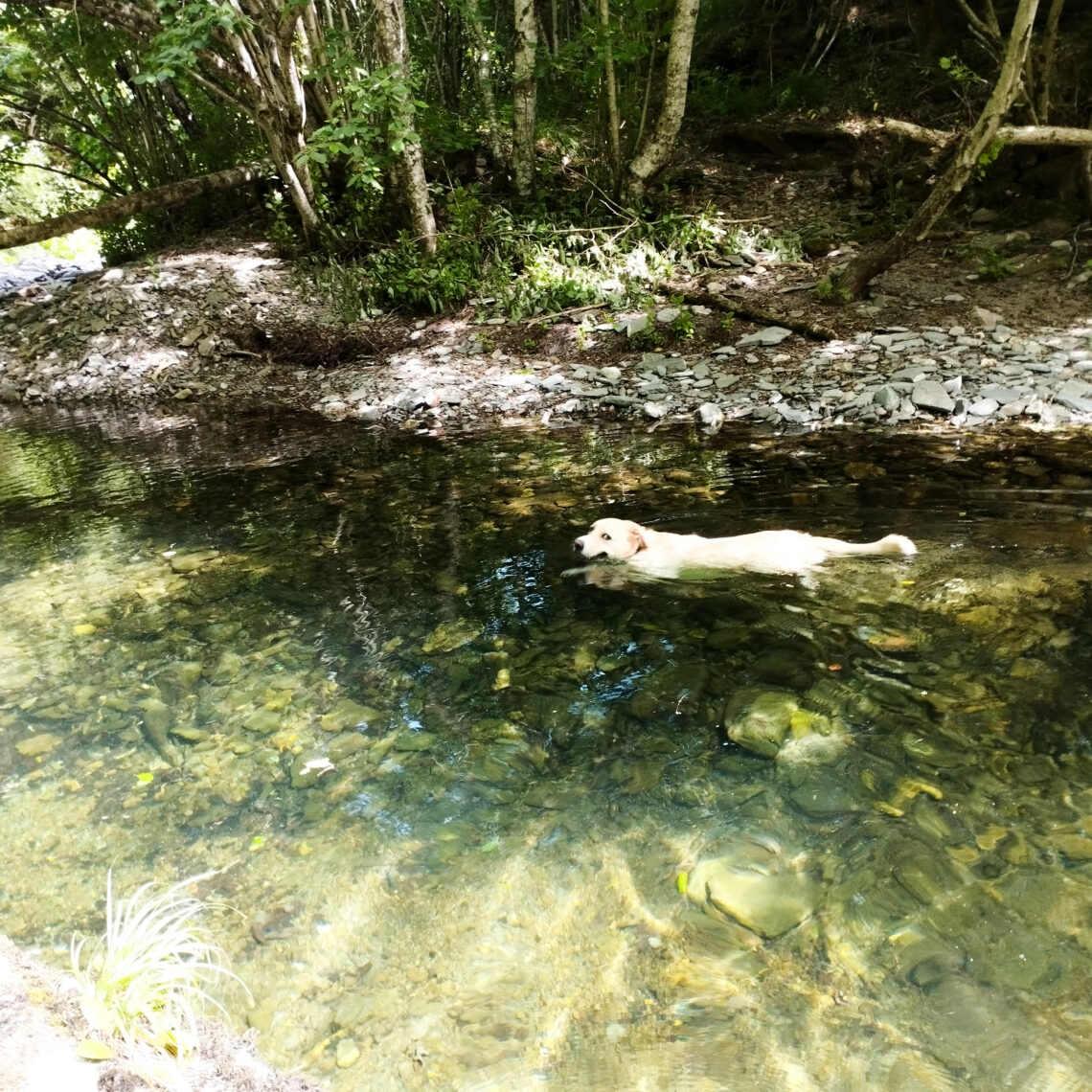
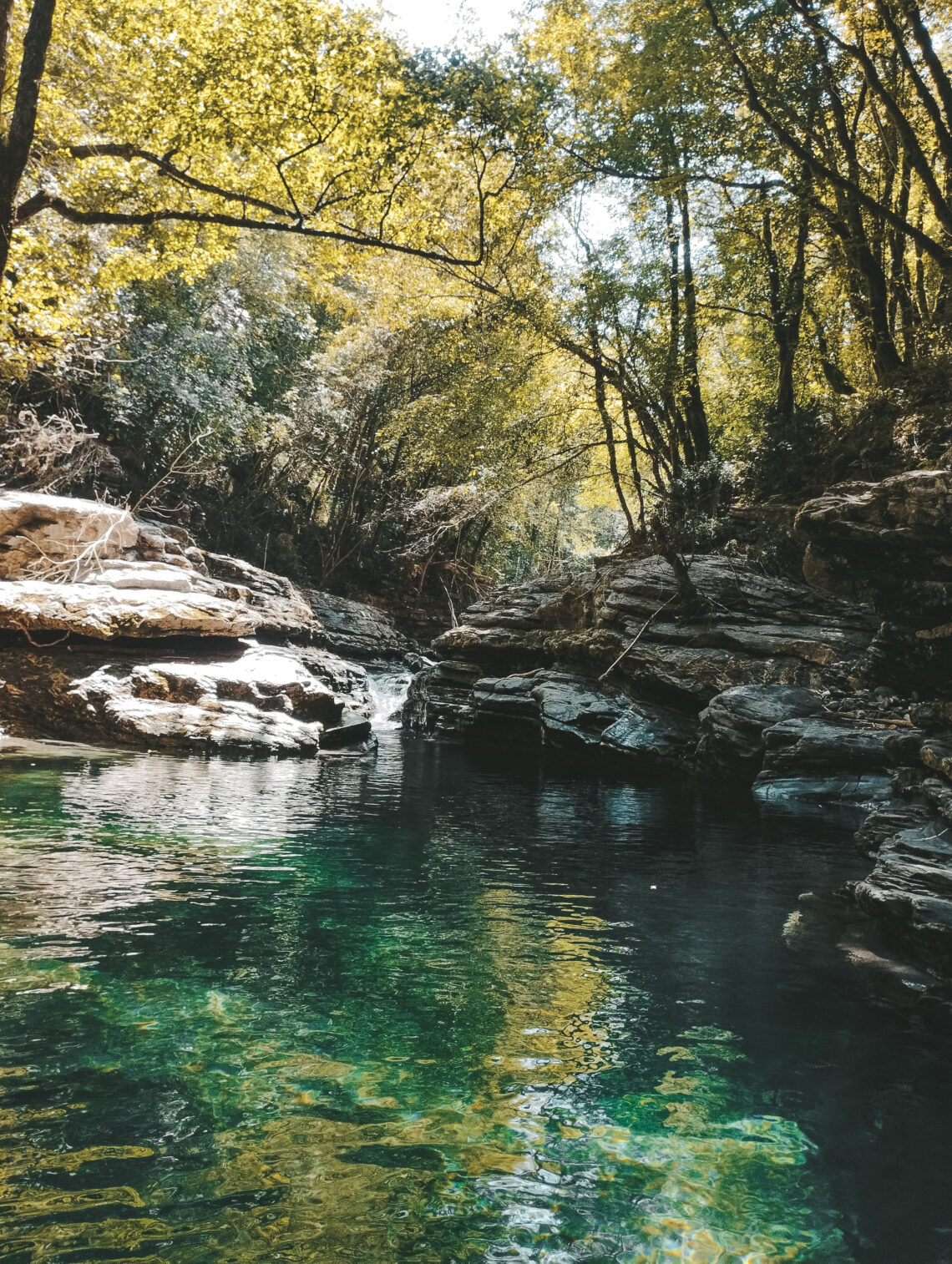
Na léto mám velice ambiciózní plány. Jeden z nich, je najít místo, kde se budeme moct koupat s mojí dcerou a se psem – v přírodě a bez lidí. Žijeme sice blízko moře – vzdušnou čarou je to 6 km, po silnici zhruba 50 . Takže pořád relativně blízko, ale v Ligurii jsou pláže malé anebo velice zalidněné. A i když třeba v Chiavari existuje pláž, kam mohou psi, s Edou je to i tak praktické nemožné. Chce si hrát, divoce běhá, skáče lidem přes hlavy, krade míče, oblizuje dětem obličeje…Dokážete si představit, jaký relax to je. Zvlášť když mezi tím moje dcera skáče do vln a odmítá vylézt z…
-
Výměna darů
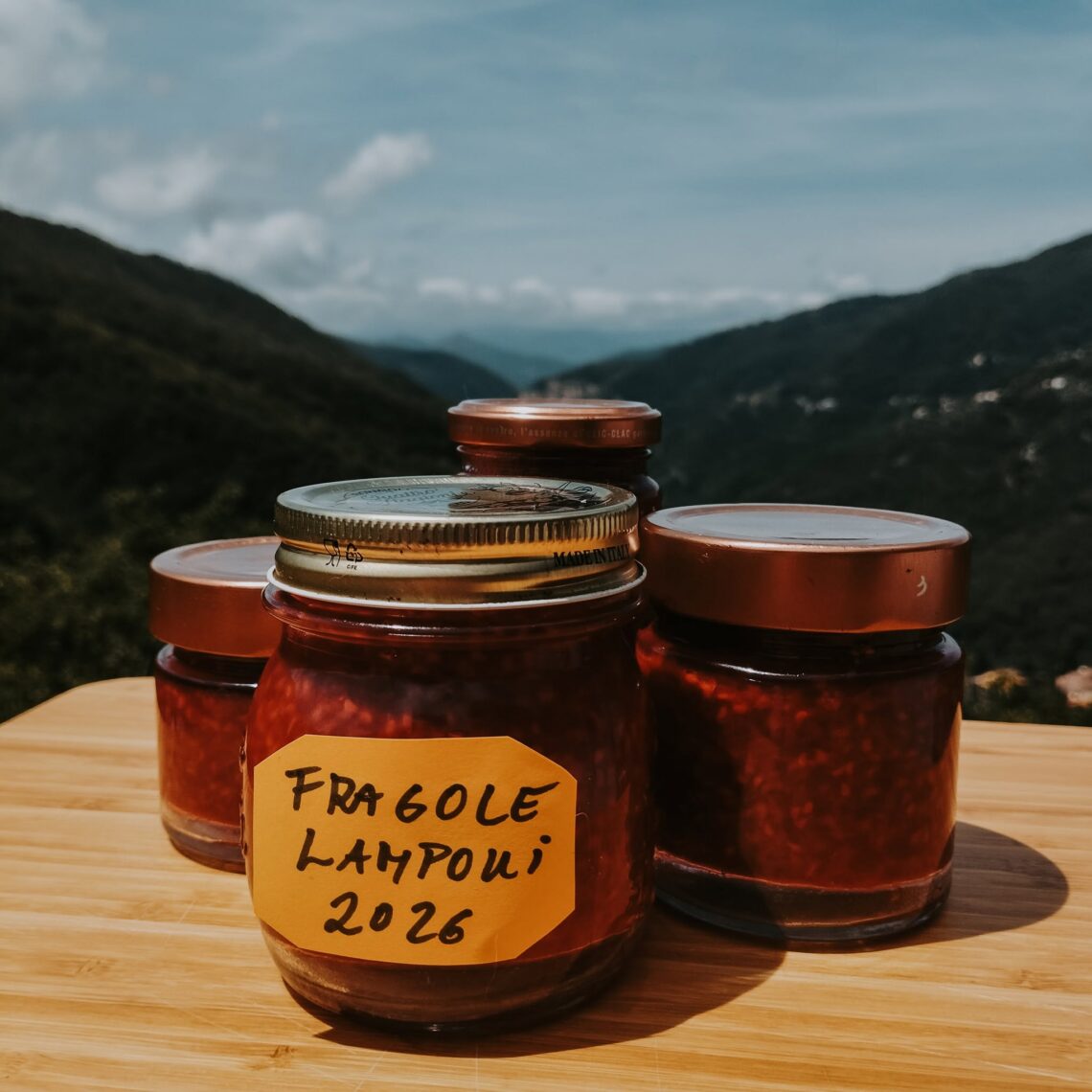
Nevím, jestli tohle funguje v celé Itálii, nebo jen u nás, ale celoročně tu probíhá neustálá výměna darů. Mezi rodinnými příslušníky, sousedy a známými. Jak jsem již zmínila, lidé se tu mezi sebou hojně navštěvují. Často neplánovaně a neohlášeně. Několikrát jsem zkoušela přimět lidi, aby mi napsali aspoň zprávu předtím, než se objeví u mě doma, ale je to jako mluvit do dubu. Prostě to tu funguje jinak. Platí také nepsané pravidlo – každý, kdo jde někam na návštěvu, s sebou přinese dárek, a to platí i naopak – každý, kdo se stane hostitelem, musí návštěvě něco darovat. A pohostit ji. To znamená, že musíte mít připravenou neustálou zásobu pohoštění,…
-
Andersen
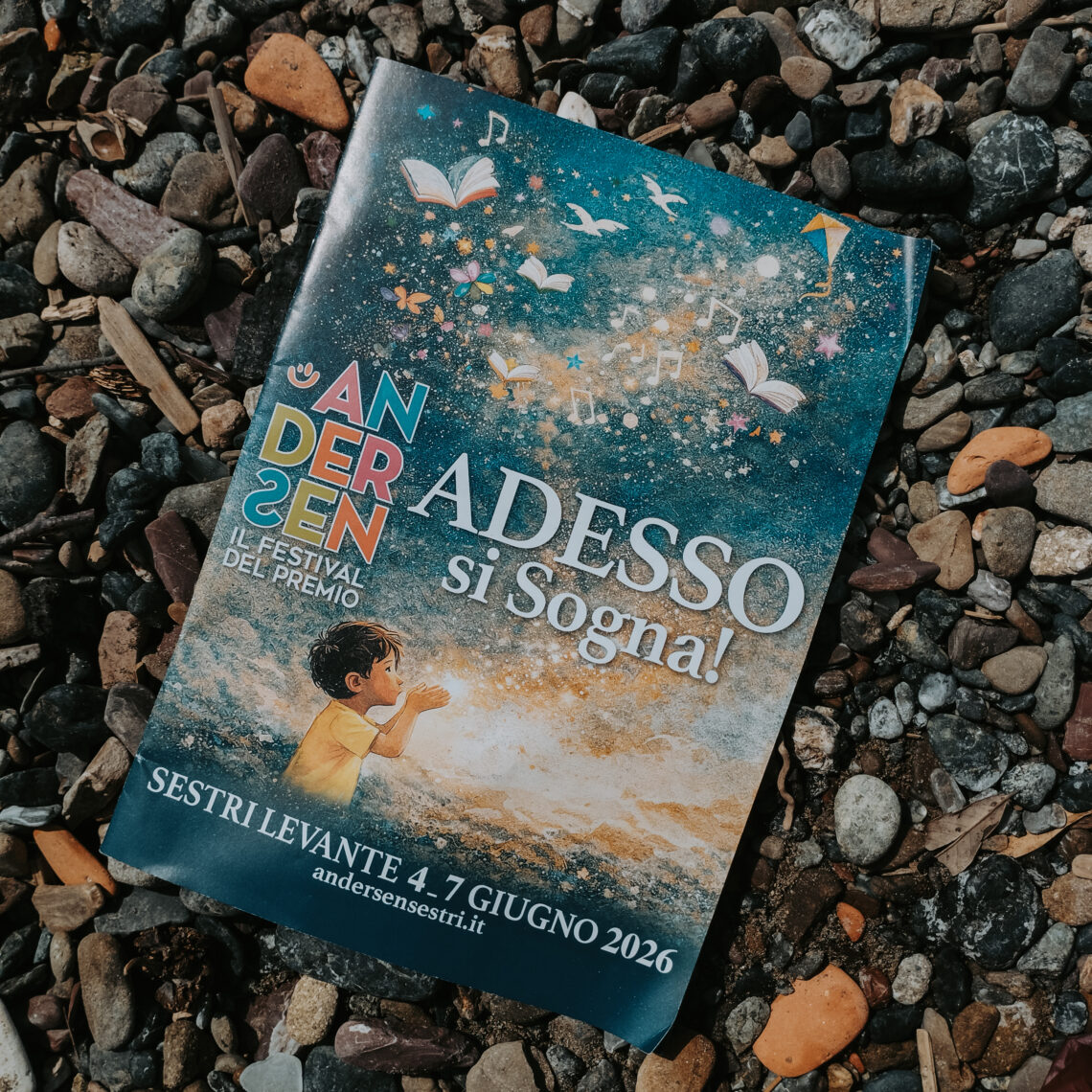
Před rokem touhle dobou (květen) jsme se s mojí dcerou procházely po Sestri Levante. Stejně tak jako teď se tam konal mezinárodní knižní festival Andersen, který je věnovaný pohádkám, vyprávění příběhů pro děti, fantazii a divadlu. Říkala jsem si, jak by bylo hezké tam jednou přebírat cenu. A to se tenhle rok stalo. Nepřebírala jsem ji ale já, ale moje dcera. Každý rok v našem údolí vzniká kniha pohádek, do které přispívají školy a školky z celé oblasti. Děti společně vymyslí a napíší pohádku a ta se potom dostane do knihy. A tahle pohádka, kterou napsaly nejstarší děti z naší školky, vyhrála první místo a tím pádem mezinárodní ocenění Premio…
-
Nora
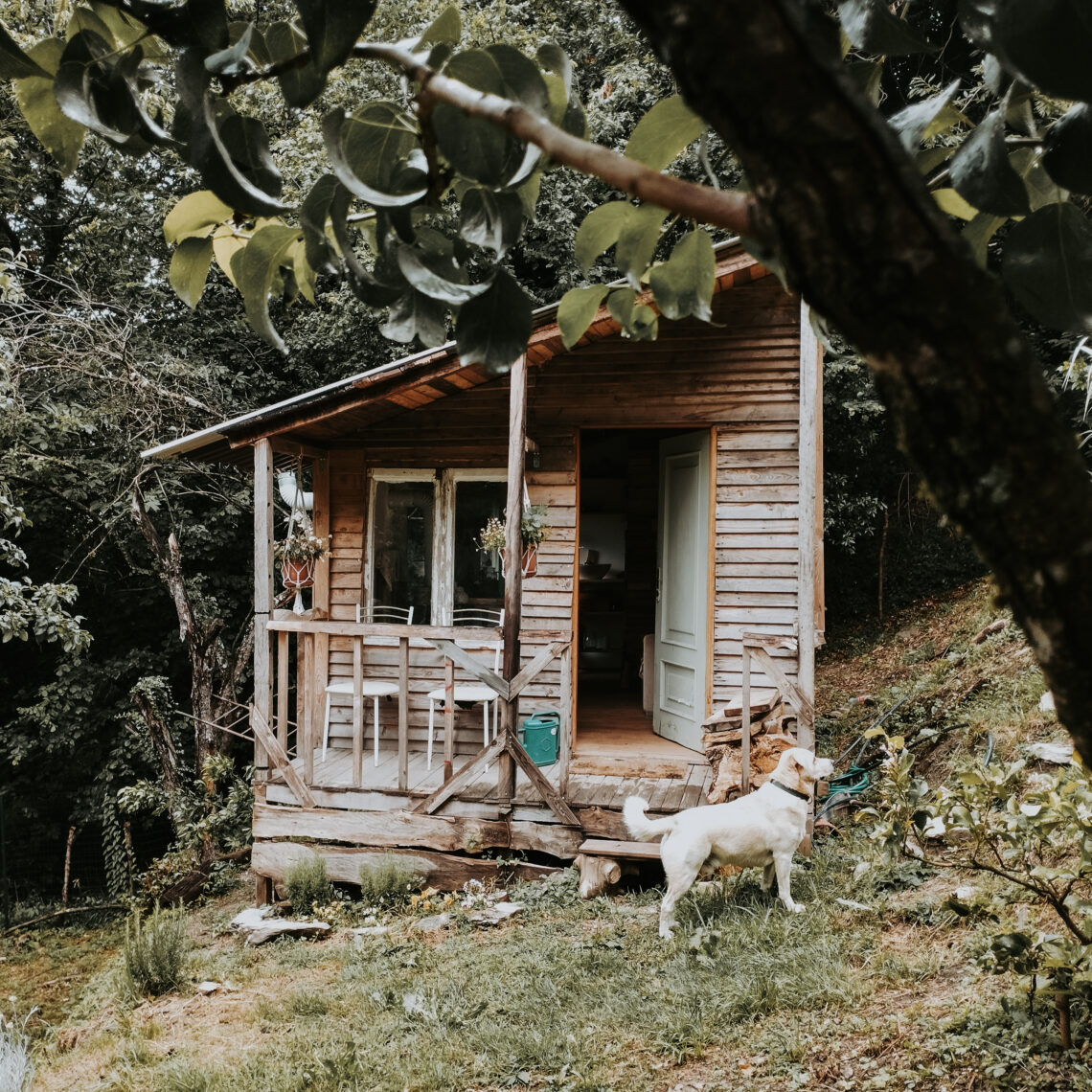
Před nedávnem jsem se, nezávisle na sobě, bavila s několika lidmi na téma nory – tedy místa, kde může být člověk o samotě. Se svými myšlenkami, nikým nerušen. Přesně za tímto účelem jsem si postavila dřevěnou chatku v (našem) lese. Její stavba trvala poměrně dlouho, protože je postavená téměř výhradně z materiálů z druhé ruky. Tedy až na šrouby a barvu. Dřevo pochází buď ze stromu, do kterého uhodil blesk a rozlomil ho vejpůl, nebo z palet. Okna jsme našli „zapomenutá“ v roští. Někdo si předělával fasádu a zřejmě měnil i okna. Ta stará byla celá postříkaná bílou barvou a prostě je nechal u cesty. A ne, že by si…
-
Italské děti
Včera jsme na našem psovi objevili zvláštní, jakoby vykousaná místa. Vypadalo to, jako kdyby si je vykousal sám, nebo mu někdo nešetrně vytrhal klíšťata. Jak jsem si to prohlížela, okamžitě mi bylo jasné, kdo v tom má prsty. „Marlen, nevíš něco o těch dírách v kožichu?“ Marlen se začala šklebit. „Eddie byl u kadeřníka! Udělala jsem mu sestřih na léto.“ Pamatujete, jak jsem psala, že jsem hledala psa vhodného k dětem? Možná to tak nevypadá, ale s Eddiem jsem se trefila naprosto dokonale. Jiní psi se před dětmi často schovávají nebo reagují podrážděně. Eddie ne. Miluje být součástí dětských her. A čím divočejší jsou, tím lepší. Jednou u nás byl…
-
Zubní víla a italská „sprostá“ slova
Zubní víla a italská „sprostá“ slova Předevčírem vypadl mojí dceři první zub. Událost, na kterou se připravovala už několik týdnů – hlavně kvůli návštěvě zubní víly. Nenápadně jsem se vyptávala, co vlastně taková zubní víla dětem dává, a docela se mi ulevilo, když mi dcera řekla, že to bývají „zlaté“ mince . Večer si Marlen dala zub do sáčku a schovala ho pod polštář. Když usnula, vložila jsem do sáčku drobné a z růžového papíru vystřihla srdce, na které jsem nakreslila zub. Aby bylo jasné, že víla je hodná . Ráno Marlen vystřelila z postele, našla sáček s mincemi a srdcem… a hned se zarazila. Běžela do mojí pracovny a…